The Termly Scramble: Why Nigerian Parents Are Always One Step Behind
It’s 6:47 AM on a Monday. You’ve just received the text from your child’s school: “Reminder: Second term fees are due by Friday. Kindly note that a 10% late payment surcharge applies.”
Your heart sinks. Wasn’t it just last term that you paid ₦450,000? Now they’re asking for ₦515,000. That’s ₦65,000 more for the same education.
If this sounds familiar, you’re not alone. Across Nigeria, parents face this invisible crisis three times every year.
But here’s what most people don’t realise: the real problem isn’t just the next term. It’s the next 10 years.
The Hidden Monster: Education Inflation in Nigeria
According to our April 2025 report, The Cost of Educating a Child in Nigeria, the average cost of private primary education in Nigeria ranges from ₦613,000 to ₦1.925 million per year. For a private secondary school, the amount jumps to ₦750,000 to ₦2.847 million annually.
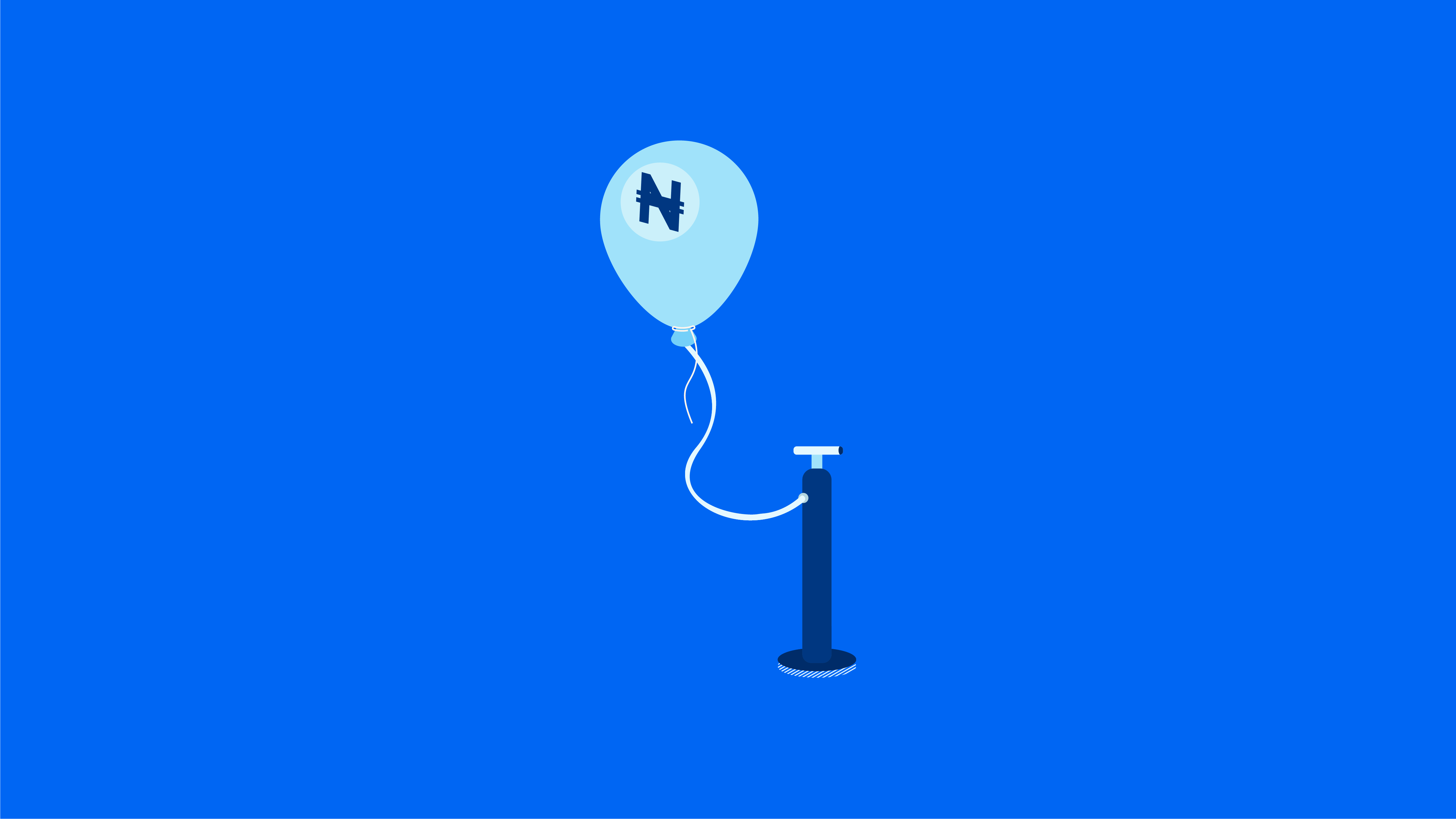
But the truly shocking revelation? These costs increase by approximately 12% every single year.
In real terms:
Let’s say your child is starting primary school in 2025. If you choose the common “Path 1” route (private primary school => private secondary school => public federal university), here’s what you’re looking at:
- Total cost by 2044: ₦31,361,000
- Annual inflation rate: 12%
- University fees alone (by 2044): ₦502,000 per year (up from ₦58,000 in 2025)
Think about that. The public university education your child will receive in 2044 will cost nearly 9 times what it costs today.
And if you’re planning for an all-private education pathway? Brace yourself for ₦65.5 million over 20 years.
Why Your “Savings Account” Strategy Is Failing You
Most Nigerian parents adopt what seems like a sensible approach:
- Put money aside each month in a savings account
- Withdraw when school fees are due
- Repeat three times per year
The problem? Traditional savings accounts typically offer 3-5% annual interest. Meanwhile, education costs are rising at 12% annually.
Let’s do the math:
You save ₦100,000 today for next year’s school fees.
- With 4% savings interest: You’ll have ₦104,000 in one year
- With 12% education inflation, School fees will cost ₦112,000
You’re short by ₦8,000, and that gap grows exponentially every year.
By the time your child reaches SS3, you’re not just playing catch-up. You’re drowning in a sea of compounding inflation, forced to make terrible choices:
- Dip into your emergency fund
- Take high-interest loans (often 20-30% APR)
- Liquidate investments at unfavourable times
- Compromise on the quality of education
There has to be a better way.
The Solution: From Reactive Saving to Proactive Investing
Our research revealed a game-changing insight: Parents who invest rather than save can reduce their out-of-pocket education costs by 32%
Instead of paying the full ₦31.4 million for your child’s education, you could pay as little as ₦10.9 million, simply by making your money work harder.
How? By moving from a termly savings mindset to a long-term investment strategy.
Enter: The Cowrywise Arsenal
1. Nest: The Foundation for Your Child’s Future
What it is: A dedicated investment plan for children aged 0-17, designed to grow wealth for education and other future needs.
Why it works:
- Collaborative Planning: Both parents (or guardians) can contribute to the same Nest, making it easier to build the fund together
- Yearly Compounding: Your money doesn’t just sit there; it grows exponentially over time
According to our study, consistent contributions to an investment plan yielding 10% annually can build substantial education funds. Starting early with ₦1.3 million per year for 20 years creates ₦26 million in contributions, which grows to cover the full ₦31.4 million education cost, with ₦10.1 million coming purely from investment returns.
2. Mutual Funds: The Inflation-Beating Engine
What they are: Professionally managed investment portfolios that pool money from multiple investors to buy stocks, bonds, and other securities.
Why they work:
- Professional Management: Run by top investment firms in Nigeria who actively manage risk and seek growth
- Diversification: Your money is spread across multiple companies and sectors, reducing risk
- Higher Returns: The report demonstrates that portfolios yielding 10-13% annually significantly outpace the 12% education inflation rate
Our report show that parents who invest in portfolios yielding 13% annually can achieve 65-80% savings on total education costs compared to paying out-of-pocket.
3. Dollar Investments: The Currency Hedge
Many Nigerian parents are now considering international universities or even local universities with dollar-denominated fees.
The solution: Cowrywise’s dollar investment options allow you to:
- Build wealth in USD, protecting against naira devaluation
- Lock in purchasing power for international education
- Access dollar-denominated mutual funds
Take Action: Your Education Investment Plan
Now you understand the problem. Now it’s time to act.
Here’s your immediate action plan:
Step 1: Calculate Your Number
Based on our report:
- Private primary + private secondary + public university = ₦31.4M total
- Private primary + private secondary + private university = ₦65.5M total
- Use these as benchmarks for your planning
Step 2: Open Your Cowrywise Account
- Download the app (iOS/Android)
- Complete quick registration
Step 3: Set Up Your First Investment
Step 4: Automate & Forget
The Cost of Inaction
Let’s be brutally honest about what happens if you continue with the “save-for-next-term” approach:
Year 1-3: Manageable stress, occasional late payments
Year 4-6: Regular fund shuffling, emergency withdrawals
Year 7-10: High-interest loans, compromised education quality
Year 11-15: Financial crisis, consideration of school transfers
Year 16-20: Potential inability to afford university, generational impact
The Cost of Educating a Child in Nigeria report shows that by 2044, even public secondary schools will cost ₦431,000 per year. Without an investment strategy, you’ll be paying this entirely out-of-pocket, at a time when you may be approaching retirement.
Or you could start today.
The Bottom Line: Education Is Non-Negotiable. Being Prepared Is Optional.
Your child’s education will cost millions, whether you prepare or not. The only question is: Will you pay the full price out of panic, or will you let your money work for you?
Our report makes it crystal clear: Early, consistent investment is the single most powerful tool Nigerian parents have to beat education inflation.
You’ve already spent some minutes reading this article. Spend 5 more and start your child’s education fund, because the next term will come, just like the one after that, and the one after that. But this time, you’ll be ready.