




Your salary has just entered. You check your account, and for a moment, everything feels fine. That thing you postponed last week? You can finally afford it. The abandoned cart? Why not. That small expense? Not so small anymore.
And just like that, without meaning to, you’ve started spending. Not because you’re careless. Not because you don’t earn enough. But because your bank balance is lying to you.
The strange thing about money problems is that they rarely start with money; they start with how money makes you feel. And nothing shapes how you feel about money more than the number staring back at you from your banking app.
Money decisions are not just mathematical; they are psychological.
Why Salary Week Feels So Different
Every month follows the same pattern. You get paid. You feel in control. Then a few weeks later, you’re asking: “Where did all my money go?”
What changed wasn’t your income. It was what you could see.
The moment your salary hits your account, everything collapses into one number: rent, food, transport, savings, all of it. Your brain doesn’t sort through any of that. It reacts to the total.
So when the balance looks full, your judgment loosens with it. Things that felt expensive three days ago start feeling fine, not because anything changed, but because the number in your app says you can.
The Gap Between What You See and What You Actually Have
Say you earn ₦150,000.
Your account shows ₦150,000.
But in reality:
- ₦50,000 rent
- ₦30,000 food
- ₦20,000 transport
- ₦30,000 savings
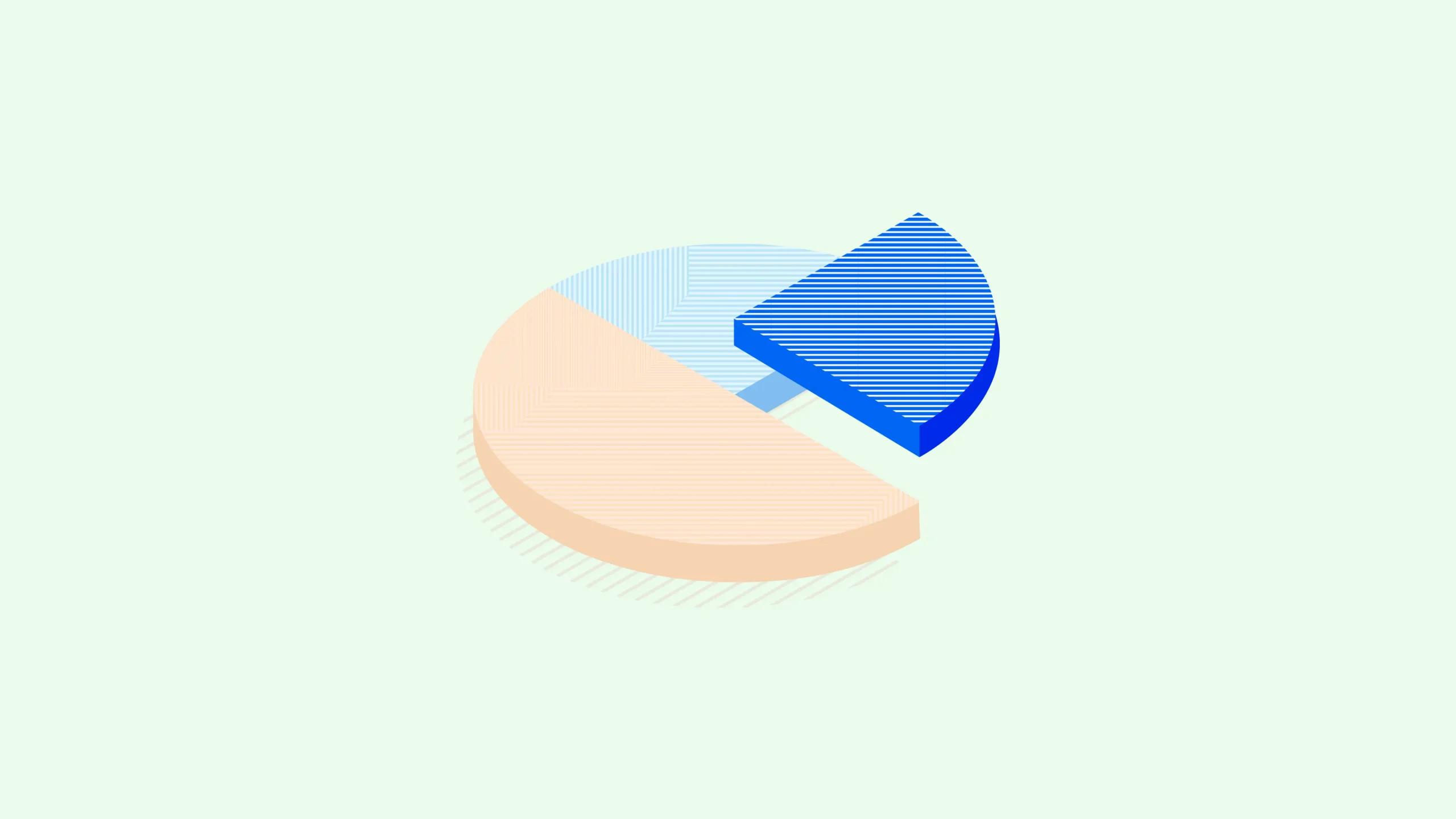
What you can actually spend is ₦20,000. That’s not what you see, though. You see ₦150,000, and your decisions follow that number. The gap between the two is where your money goes every month.
The Real Fix Isn’t Discipline, It’s Separation
Most people try to solve this by “being more careful” or “spending less.”
But the problem isn’t effort. Its structure. Everything sits in one place, so every purchase becomes a real-time negotiation between what you want and what you can actually afford. You’re forced to make decisions in real time, using willpower against a misleading signal.
Separate the money before you ever touch it. Keep spending money in one place, bills somewhere else, savings somewhere else again. When the only balance you see is what you can actually spend, you stop overestimating. Not because you got more disciplined. Because the signal got cleaner.
What to Do the Moment You Get Paid
Before you spend anything this month, decide what your money needs to cover, move it, and leave only what’s actually yours to spend where you can see it. That one move reshapes every decision that follows.
If you want to go further, automate it. Have the money split the moment it arrives, so the right structure is already in place before temptation shows up.
One Simple Shift
The goal isn’t to see all your money. It’s to see only what you’re allowed to spend. Because once that changes, your behaviour follows.

Final Thought
The most dangerous moment for your money isn’t when you’re broke. It’s the moment you just got paid.
So this month, don’t just check your balance. Structure it.