


2025 Detty December Report
An insight into Lagos' $300M December euphoria
economy and what we have learned.


What is Detty
December?
Detty December is a season-long cultural and economic phenomenon that peaks between late November and early January.




Originally rooted in music, nightlife, and end-of-year travel, it has evolved into a diaspora-powered consumer surge, driven by:

The exchange advantage
Diaspora returnees and local high-income earners utilize foreign exchange power to subsidize premium experiences regardless of local inflation.
Mental escape
For the average resident, heavy spending serves as a necessary mental health intervention after a grueling economic year.
Social currency
In the age of digital media, participation is mandatory for social relevance and digital validation.
The Dettizens: Who came to Lagos?
3.6
million participants
400k
global guests
70%
gen-z attendees
27%
USA visitors
Road Runners (1.6M): Interstate travellers arriving by land, providing massive market volume.
Resident Hosts (1.2M): Lagos residents anchoring social activities.
Who paid the bill?
A powerful alliance drove the financing of
this ₦396.54 billion economy
25%
(₦99.13B)
Lagos
Hosts
55%
(₦218.10B)
Diaspora
(IJGBs)
0%
Together, these two groups controlled 80% of the season's liquidity, effectively creating a segmented market tailored for high-net-worth brackets.
₦396.54 billion
consumer spend
While concerts and festivals dominate attention, food, lodging, and movement account for the deepest and most consistent spending.
Hospitality & Accommodation
(₦175.5 Billion)
Entertainment & Nightlife
(₦129.5 Billion)
Food & Dinning
(₦51.2 Billion)
Fashion & Retail
(₦36.6 Billion)
Wellness & Recovery
(₦3.73 Billion)
Hospitality Asset Winners: Classic Hotels generated ₦94.73 billion by selling safety and reliability. However, apartment hotels emerged as the breakout efficiency play, generating ₦23.67 billion from just 1,100 keys. Meanwhile, the mass-market short-let sector faced occupancy drops due to service failures.
The happening
places
These zones accounted for 87% of total consumer spend, creating intense density, congestion, and price inflation.
₦94.58 Billion
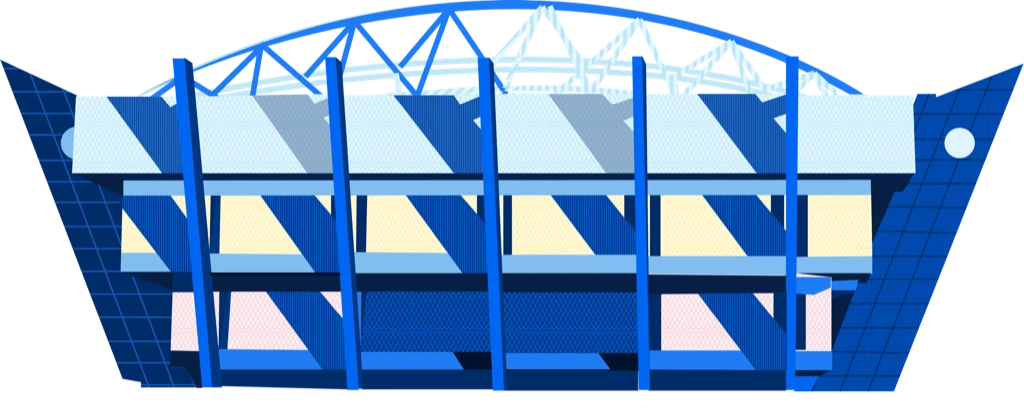
Victoria Island, Ikoyi, Lekki Phase 1
₦47.98 Billion
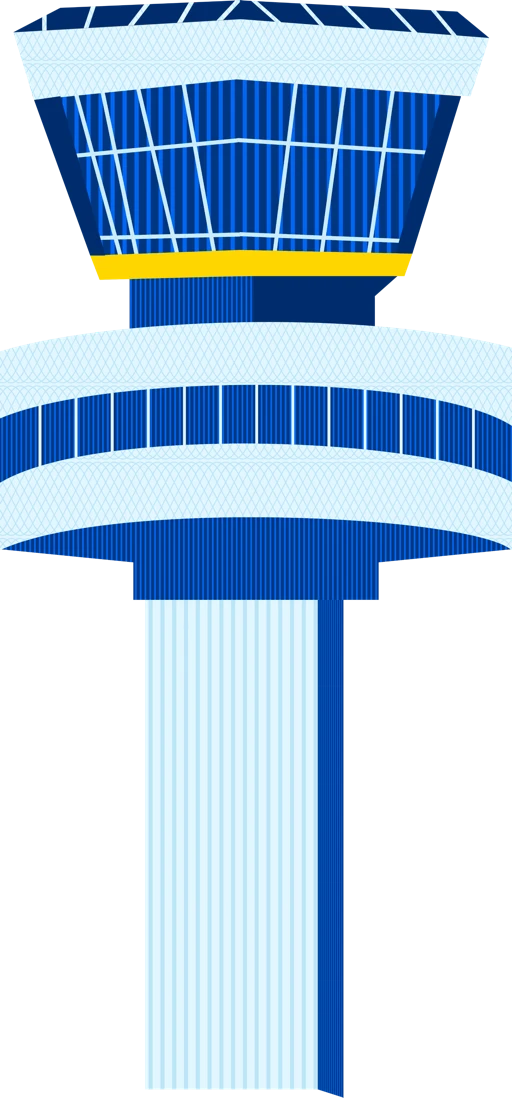
Mainland & Outer Island
₦32.85 Billion
Epe & Ilashe
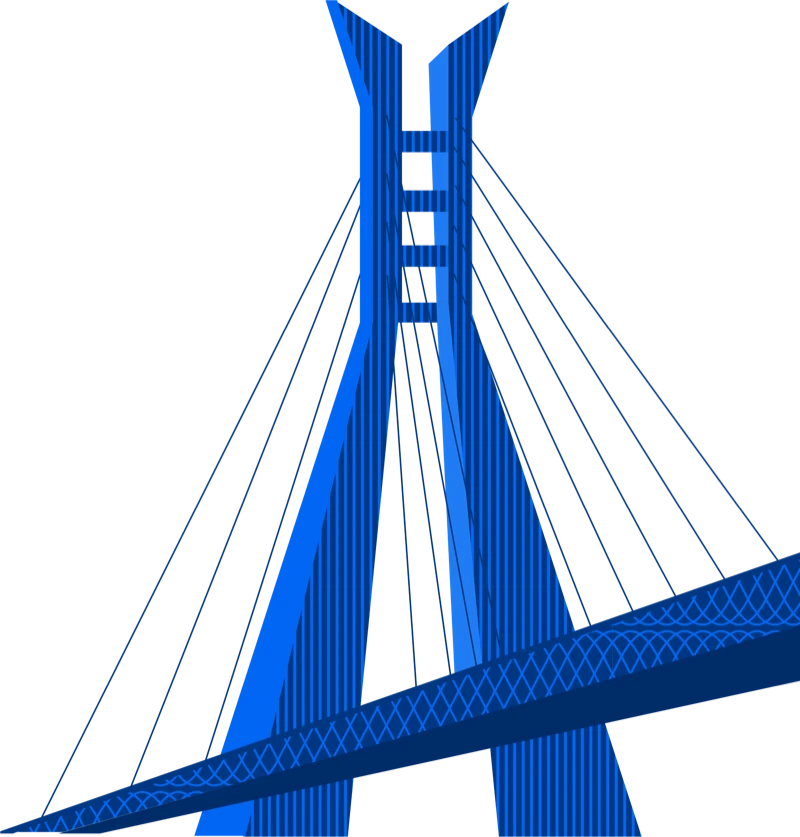
Curated events vs Walk-in activities

The Curated Economy (₦50.05 Billion)
Ticketed, scheduled events governed by a power law. Concerts and Live Music captured 71.39% of this revenue (₦35.73 billion) . While the menu was diverse, the wallet was largely monogamous to the stage.

The Walk-In Economy (₦171.09 Billion)
The spontaneous activities that fill the gaps. This silent giant was driven by walk-in nightlife and casual dining (₦109.86 Billion) and beach/active leisure (₦16.35 Billion) . This confirms that the Lagos festive economy is no longer just about the night out, but the total infrastructure of holiday living.
The spotlight: Culture & Infrastructure
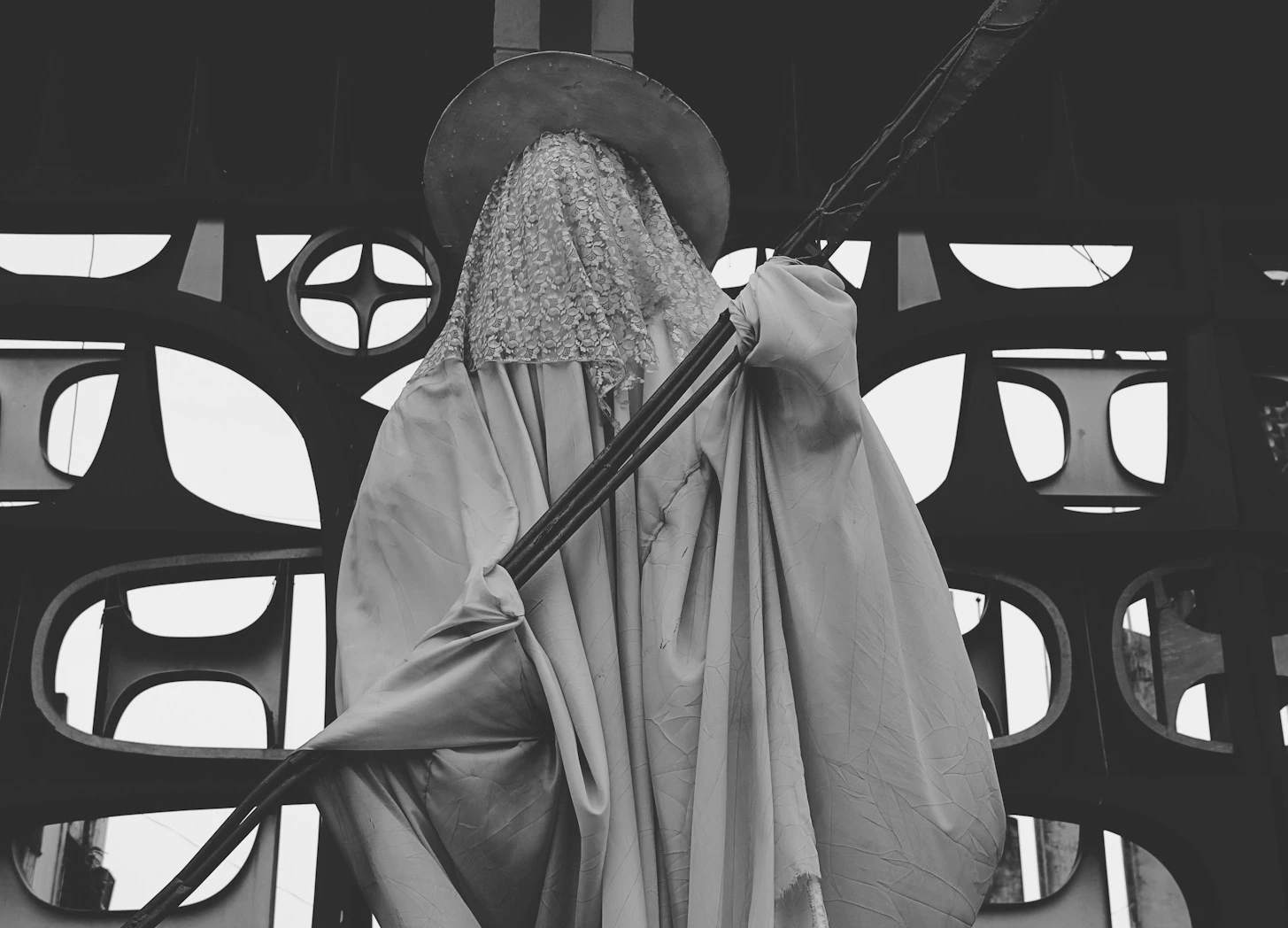
Spotlight 1: The Eyo Festival (Adamu Orisha Play)
The spontaneous activities that fill the gaps. This silent giant was driven by walk-in nightlife and casual dining (₦109.86 Billion) and beach/active leisure (₦16.35 Billion). This confirms that the Lagos festive economy is no longer just about the night out, but the total infrastructure of holiday living. The Costume Economy: Agbada inflation pushed the cost of full regalia to ₦250,000+. With over 15,000 masquerades, this injected billions directly into the hands of local artisans in Idumota. The Water Boom: With major bridges closed for the procession, ferry services and private boat operators recorded a 300% surge in ridership, proving the massive viability of Lagos waterways for mass transit.
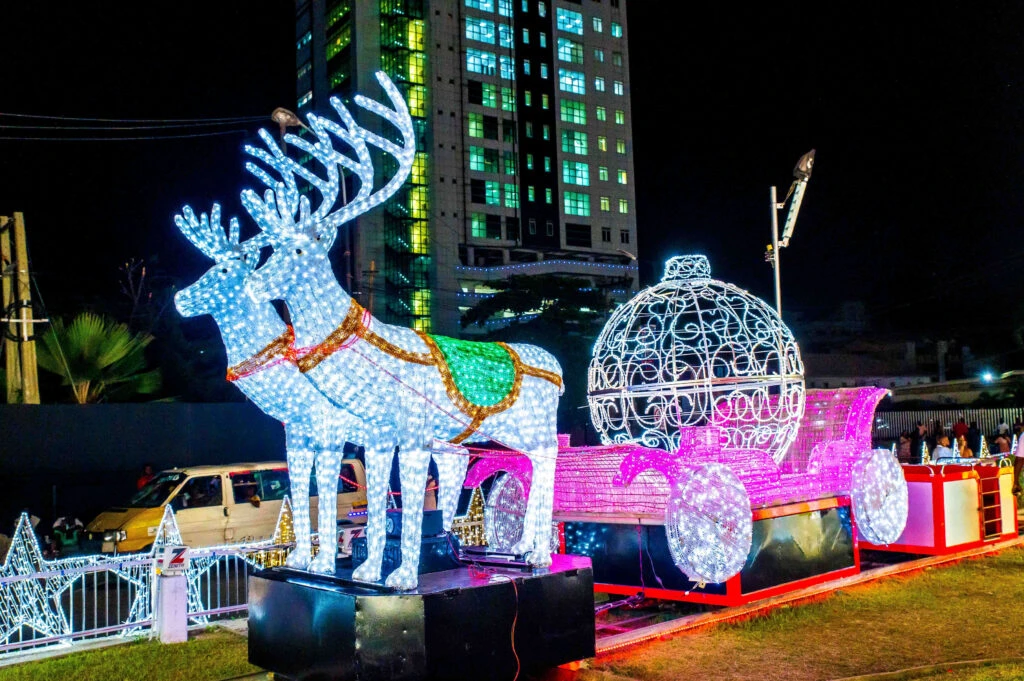
Spotlight 2: The Light Attraction (Ajose Adeogun)
The Zenith Bank Christmas Light-Up demonstrated that urban regeneration through decoration is a viable economic driver. The floodlit street extended trading hours well past 2:00 AM, creating an organic night market and boosting fast-food sales.
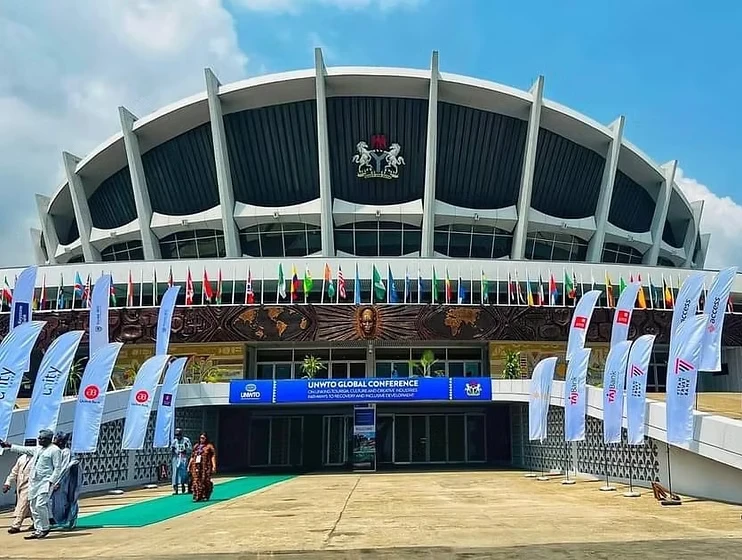
Spotlight 3: Wole Soyinka Centre for Culture
The recently reopened National Arts Theatre, originally built for FESTAC ’77, is being reimagined as a cultural anchor, with Freedom Park continuing to bridge Lagos’s history with its nightlife identity.
Spotlight 4: John Randle Centre
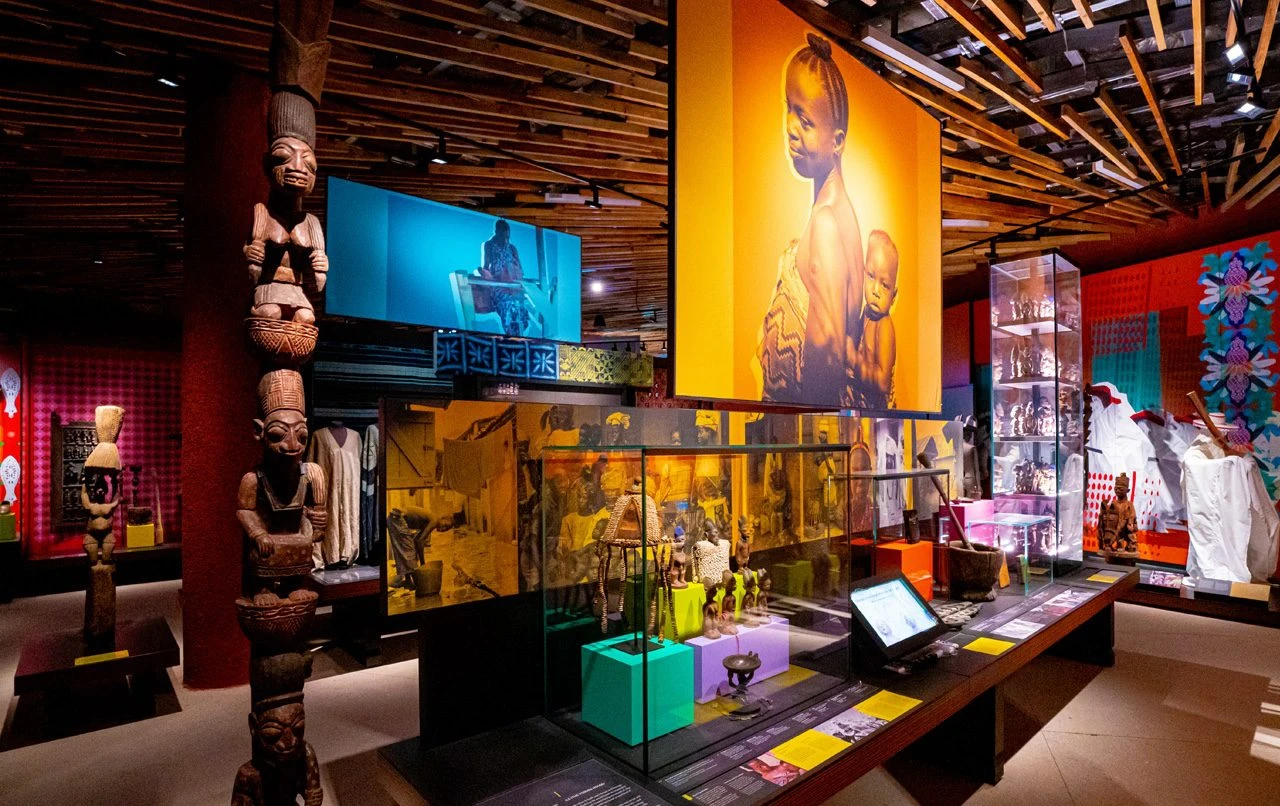
Located in the heart of Lagos Island, this sophisticated cultural infrastructure saw less than 10% of its potential daily footfall. The Detty December calendar is heavily weighted toward the night, leaving tourists with nowhere to go during the day. Activating the John Randle Centre could capture the largely untapped daytime wallet, allowing Lagos to earn the tourist dollar twice.
The invisible
engine.

Transaction economy
Everyday spending ran largely through OPay and Moniepoint, while bigger commercial settlements moved through GTBank and Zenith, with payments processing fast enough that delays were barely felt.
₦0 billion
($13.6M) in direct service revenue
While concerts and festivals dominate attention, food, lodging, and movement account for the deepest and most consistent spending.

Digital infrastructure
About ₦2.5 billion was spent on data and hardware to keep everything connected, with 5G and Starlink making it possible to share and stream content to the world in real time.

Mobility
Getting from the Mainland to the Island could cost three times the normal fare, while water transport quietly emerged as the smartest and most reliable way to move around.

Security
The cost of keeping crowds safe went up by 50%, with private security firms working alongside state forces to manage events under what became known as the “Green Zone” model.
The cost of the party
1.5 million liters of fuel burned

4,000 metric tons of CO2 from generators

3 million idling cars contributed to gridlock

85 million PET bottles generated
Less than 10% formally recovered

The cost of the party
1.5 million liters of fuel burned
4,000 metric tons of CO2 from generators
3 million idling cars contributed to gridlock
85 million PET bottles generated
Less than 10% formally recovered
Looking ahead
The trajectory for 2026 points toward a definitive decoupling of geography and enjoyment. The era of the Island monopoly is ending. The defining trend will be the democratization of the vibe, where the Mainland fully establishes itself as a destination
The greatest opportunity lies in infrastructural integration. The Blue Line Rail and expanded waterways remain the unplayed aces of the Lagos economy. The city has proven it has the energy. The challenge for 2026 is to expand the rails to channel it sustainably
Why this report matters
Policymakers planning urban infrastructure
Investors evaluating hospitality and entertainment assets
Brands targeting Africa's most concentrated youth economy
Event organizers and city planners preparing for December 2026+

Start building wealth
on Cowrywise
All your savings and investment needs in one place. Trusted by over 2 million customers.
Researched by

Published by