




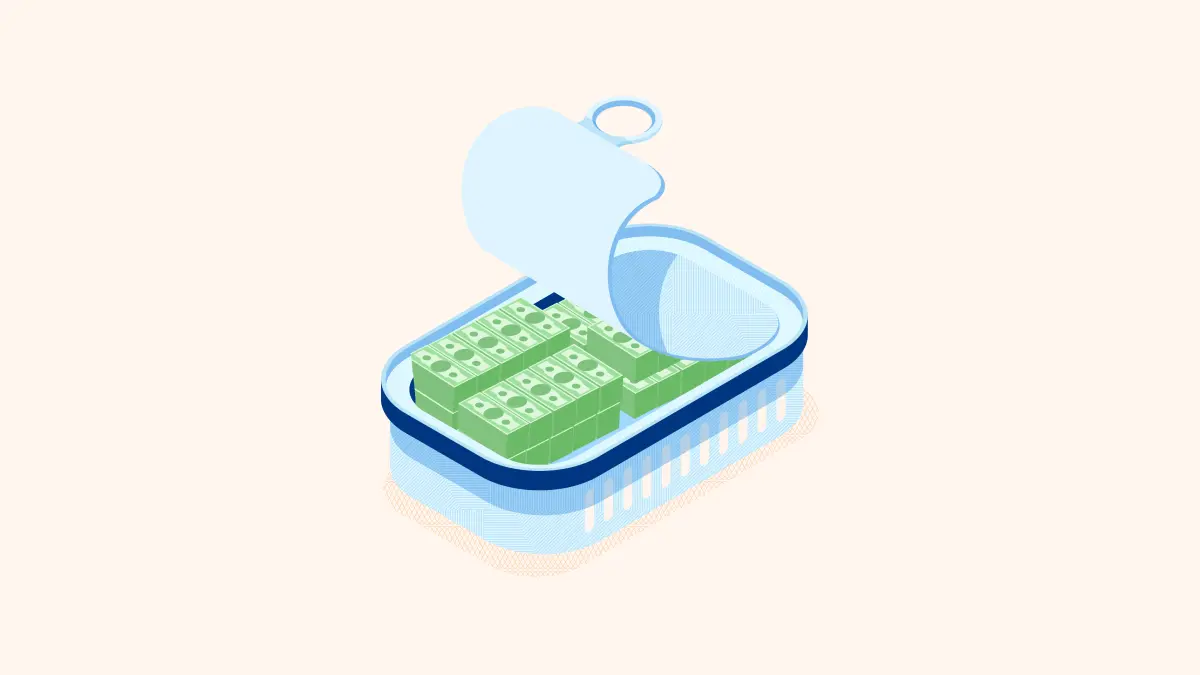

In today’s world, it’s so easy to get carried away by the pursuit of success and hard to distinguish if that pursuit is just to be successful or if it’s a desire for status and validation. This is why we will be going through a concept called Conspicuous consumption.
What is Conspicuous Consumption?
Conspicuous consumption is the act of flaunting one’s wealth and social standing through extravagant spending.
It was coined by economist and sociologist Thorstein Veblen in the late 19th century. With conspicuous consumption, the emphasis is not solely on the utility or intrinsic value of what money is spent on but on the social prestige and recognition that comes with owning and displaying them. And with the accessibility that social media gives, conspicuous consumption has become a fast trend.
Do you think you might be guilty? Keep reading.
Conspicuous consumption is the public display of wealth.
Characteristics of Conspicuous Consumption
- Visibility: Conspicuous consumption is the public display of wealth. Purchases are often flamboyant and easily recognizable as markers of affluence. An easy example is getting the iPhone 15 just for the aesthetic and social status attached to it.
- Social signaling: The primary goal of conspicuous consumption is to signal your economic success and social standing to others. It is a form of communication to establish your position in society. It’s like talking without saying anything because your signals speak for themselves.
- Extravagance and excess: Conspicuous consumption often involves purchases that go beyond basic needs. Remember, the emphasis is to show extravagance and excess; to show that you can afford more than what is necessary for a comfortable life. The idea is for people to know that you have.
- Social Comparison: This is comparing possessions and lifestyle choices to those of others. It often leads to a competitive cycle of acquiring more extravagant items to outdo other people.
- Public recognition: A key characteristic of conspicuous consumption is the need for public recognition and admiration. People tend to spend more than they need with the expectation that others will take notice and acknowledge their elevated social and economic status.
The idea is for people to know that you have.
Why do people succumb to Conspicuous Consumption?
- Social status: One major reason is the need for social status and recognition. Human beings are inherently social creatures, and the desire to be admired, respected, and accepted by others is a powerful motivator. By getting high-status things, people can show their success and elevate their social status in the eyes of their peers.
- Validation and self-esteem: Another reason people succumb to conspicuous consumption is the quest for external validation and a boost to self-esteem. When people get high-end items, they can get a temporary sense of accomplishment and enhance their self-image. The positive feedback and admiration received from others serve as affirmations of success, hereby reinforcing the way they see themselves.
- Social media: Social media often portrays a lifestyle where material abundance is synonymous with success and happiness. Consequently, people internalize these narratives and then aspire to emulate the perceived lifestyles of the rich and famous.
- Hedonic adaptation: Hedonic adaptation suggests that people quickly adapt to new levels of material comfort, and the initial joy derived from a purchase diminishes over time. This can push people to engage in an unending cycle of consumption, seeking the next new and extravagant experience to maintain a heightened sense of satisfaction.
- Social comparison: Seeing others show their wealth and material possessions on Instagram creates a culture of comparison where people feel the need to “keep up” or even surpass the lifestyles of their peers.
- Emotional fulfilment: Conspicuous consumption is also fueled by the belief that money and luxurious possessions can bring emotional fulfilment and happiness. People see the acquisition of luxury items as a tangible reward for all their hard work or as a means to escape from stress and find joy.
- Perceived quality and exclusivity: Many luxury products are sold on the promise of superior expertise, quality materials, and exclusivity. The appeal of owning items perceived as the epitome of excellence can be a motivating factor in conspicuous consumption. The more exclusive a product is, the more desirable it becomes, as owning it becomes a way for people to distinguish themselves from the masses.
Consequences of Conspicuous Consumption
- Financial strain: Engaging in conspicuous consumption often involves spending beyond your means. You may accumulate debt or deplete your savings to maintain a facade of affluence. This can lead to financial instability, stress, and a reduced capacity to handle unexpected expenses during times of emergencies.
- Psychological stress: The pressure to maintain a certain lifestyle and the constant comparison with others can lead to psychological stress. You may experience anxiety, insecurity, and a fear of falling short of societal expectations, resulting in a negative impact on your mental well-being.
- Loss of authenticity: There is a loss of authenticity as people prioritize external appearances over personal values and genuine interests. The constant need to conform to societal expectations can hinder you from being yourself without fear.
- Overemphasis on materialism: Conspicuous consumption reinforces a culture of materialism, where accumulating possessions is prioritized over other areas of life, such as relationships, personal growth, and even experiences. When the emphasis is fixated on material wealth, it can lead to a shallow and unfulfilling life.
- Impact on well-being: The temporary satisfaction gotten from material possessions does not always lead to happiness, and the constant chase of external validation can leave you feeling unfulfilled.
Conspicuous consumption often leads to spending beyond your means to maintain a facade of affluence.
Breaking the cycle
As people who are keen on building wealth, we must reflect on our consumption habits and question the motivations behind every purchasing decision.
The right question to ask is “Do I need this item?” If your answer is yes, maybe you should ask yourself why.
Developing a mindful approach to consumption requires considering the implications of your choices on your life and financial journey. It also involves having a sense of self-worth that does not depend on material possessions and societal validation.
Ensure you’re prioritizing your well-being over material accumulation.
Conclusion
Conspicuous consumption is a complex part of society, often driven by the desire to stand out. While we cannot deny that flaunting wealth and status is tempting, the consequences of unchecked conspicuous consumption are equally weighty.
Hence, it is important to always engage in self-reflection, and challenge what are considered to be norms that maintain the cycle of excessive materialism.
So, with all you’ve learned from this article about conspicuous consumption, do you think you’re guilty?
ALSO READ
The Psychology of Greed: Why People Pursue Money at Any Cost
8 Truths About Money People Learn Late in Life
How To Battle Lifestyle Inflation
How Emotions Affect Your Investment Decisions






I’m guilty o, I’ll just try to change…kudos to the brain(s) behind this, more grease to your elbow!